
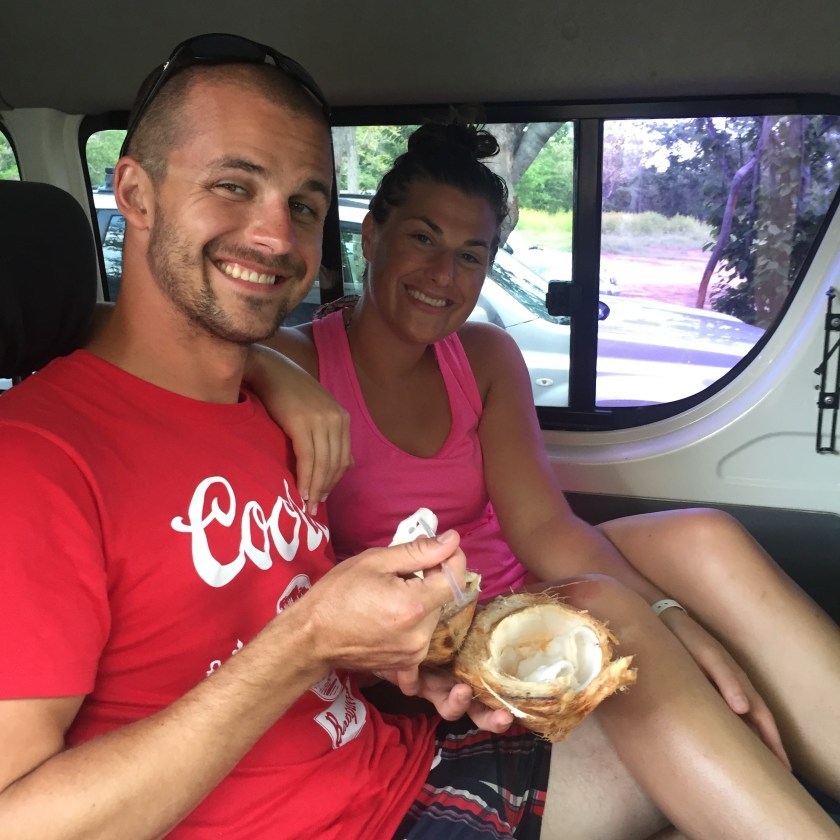
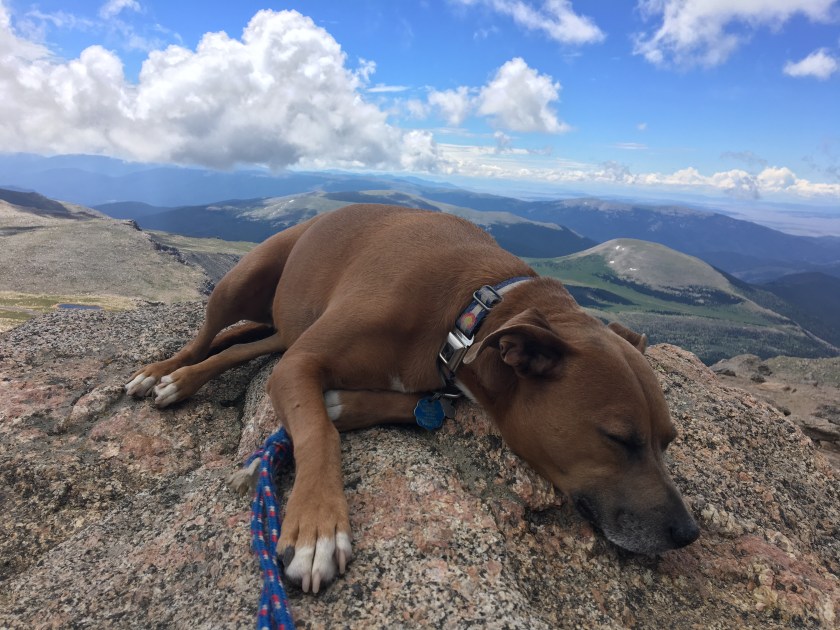
When asked why Tony and I want to go on a year-long trip, I normally try to explain how this adventure was years in the making. When we first met we always toyed with quitting our jobs and doing a year-round tour of the Australian continent: buy a van upon arrival, sell when we were ready to leave. Now we have a dog (Bee) and are a little more tied down, plus Australia has a horrifically long quarantine. We already have a truck near-ready for a journey just like this and I’m dying to get the last few of the 50 states under my belt. There are also the deeper answers. We see it as a last “hoorah” before kids, we want to break away from the conventional 9 to 5 lifestyle, we are continually aiming to be more minimalistic, we want to live in the moment and be purposeful – not get lost in a job and come up for air at 65 wondering where our lives went. So here we are, a few weeks away from our trip and not a bit of me is nervous…at least not yet. (Okay, that’s a lie. I woke up in the middle of last night contemplating all the things we have left to do before we leave, I’m freaking out!)
It’s been a long journey here, at least for me. Tony is blessed with a rather laissez-faire approach to life, and yeah, I’m jealous. I’m talented at “sweating the small stuff” and am continually trying to coach myself out of it. For those of you who don’t know me well, I was raised in a household (and family) of hard workers. I was taught it wasn’t worth starting something if I was simply going to half-ass it. Either do it right or don’t bother. Work hard, and then work harder. At least that was my perception of it. This is not to say there was no fun, because there was plenty, it’s just that work was a focal point in life. When my dad passed away I was in college, 20, and shocked. I had watched him and my mom work so hard. They were on the brink of retirement and ready to enjoy their hard-earned time together…and then he was gone. Their hard work afforded me endless opportunities and I could never be where I am today without them. It just hurts me to know they never got to personally (just the two of them) reap the benefits, when they were so close to the finish line. Mom and I took years to rebalance ourselves, reestablish our relationship, and create a new normal. I graduated, got a full-time engineering job at a consultancy, and immediately took to the grind, just like my parents. It was easy for me to work 60- to 80-hour weeks – it was intuitive. I was proud of my work and accomplishments, but it left me lacking. I had lost my hobbies, and to be frank, I had lost myself. Since then a lot has changed: I met and married the love of my life (yes, Tony), we started getting creative with our finances and developing passive income streams, I have stepped down from full time to hourly, and we started talking and learning from others that feel the same way.
So what’s the take away? For me, it is to live in the moment and enjoy now; be thankful for your family and friends – continue to foster those relationships – you don’t know how long you will get the important people in your life; and don’t get lost in the grind – be purposeful with your time. If working a 9 to 5 is the life for you, great! Do what makes you happy, and if it can’t be achieved now, set your sights on it. Tony and I never made it to Australia because at the time it wasn’t attainable. Now we’ve saved and we’re able to do a version of our original intent.
It’s crazy to think of all small decisions and factors that generate a life. So take control of what you can! Chase what you want and enjoy the people that matter most. That’s what this trip is for me: quality time with my people, gorgeous landscapes, and some of my favorite hobbies. To quote the eloquent Amor Towles, in “A Gentlemen in Moscow”:
“For his part, the Count had opted for the life of the purposefully unrushed. Not only was he disinclined to race toward some appointed hour – disdaining even to wear a watch – he took the greatest satisfaction when assuring a friend that a worldly matter could wait in favor of a leisurely lunch or stroll along the embankment. After all, did not wine improve with age? Was it not the passage of years that gave a piece of furniture its delightful patina? When all was said and done, the endeavors that most modern men saw as urgent (such as appointments with bankers and the catching of trains), probably could have waited, while those they deemed frivolous (such as cups of tea and friendly chats) had deserved their immediate attention.”
 "Purposefully Unrushed"